CAESER is a multidisciplinary research center based at the University of Memphis, where our mission is to advance science and technology to address complex societal challenges across environmental, infrastructure, and community systems. Through interdisciplinary research, innovation, and collaboration, we transform discovery into actionable knowledge, tools, and solutions that improve quality of life.
By partnering with communities, government, industry, and academia, we translate research into practice and strengthen the resilience, sustainability, and performance of systems that support society at local, regional, and national scales.
The City of Memphis, through the Tennessee Department of Environment and Conservation, and MLGW, awarded a five-year, $9.75 million contract in July 2023 to continue the research. This new contract will advance research in many key areas. Some of the focus for the next five years will be developing innovative technology for remote sensing breaches in urban areas, developing more advanced computer models to understand better the movement of water and contaminants in the shallow, Memphis and Fort Pillow aquifers, to better understand the interconnection between the shallow and Memphis aquifers, and to provide MLGW, City of Memphis and the Shelby County Health Department with information and resources for proposed planning and development decisions (public and private) and potential impacts our groundwater resources.
We are holding a community forum on June 23rd at the Benjamin L. Hooks Central Library at 6:00 pm to discuss what we will be researching and answer questions you might have on the Memphis aquifer. RSVP below:
In the winter of 2018, the Memphis City Council approved the establishment of a special fund paid by the citizens of Memphis and unincorporated Shelby County through their MLGW (Memphis Light Gas and Water) bills. This fund was used to pay for research on our drinking water, specifically the condition of the protective clay layer above the Memphis aquifer. To do this, CAESER had 22 projects studying breaches, or breaks, in the clay layer.
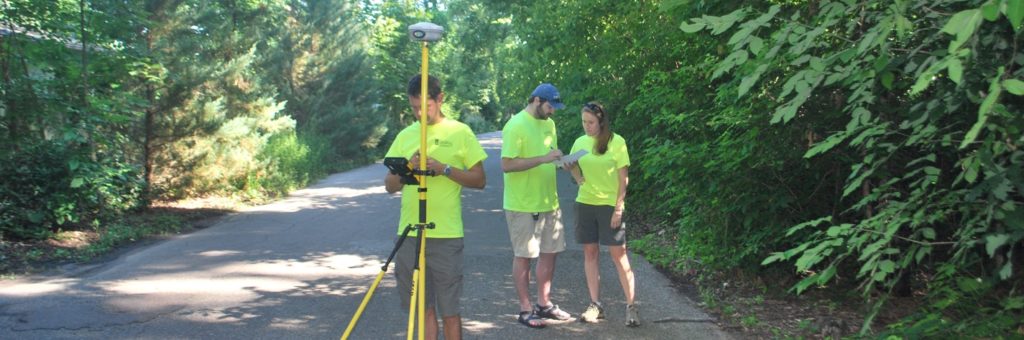
Mapping water levels in the shallow aquifer has helped us identify where water of poorer quality is bypassing the protective clay layer that overlies our primary drinking water aquifer.